December to February
Dormancy
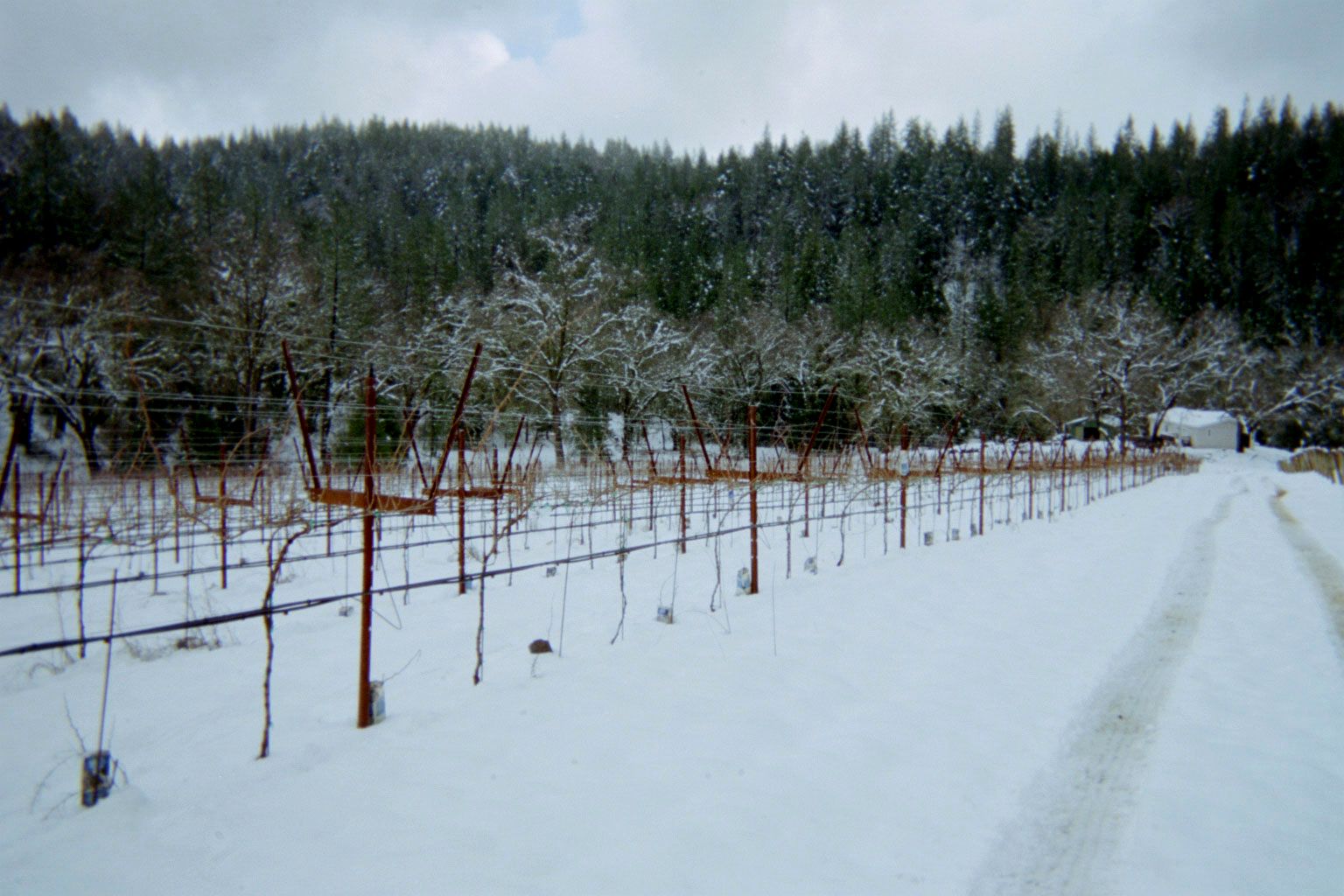
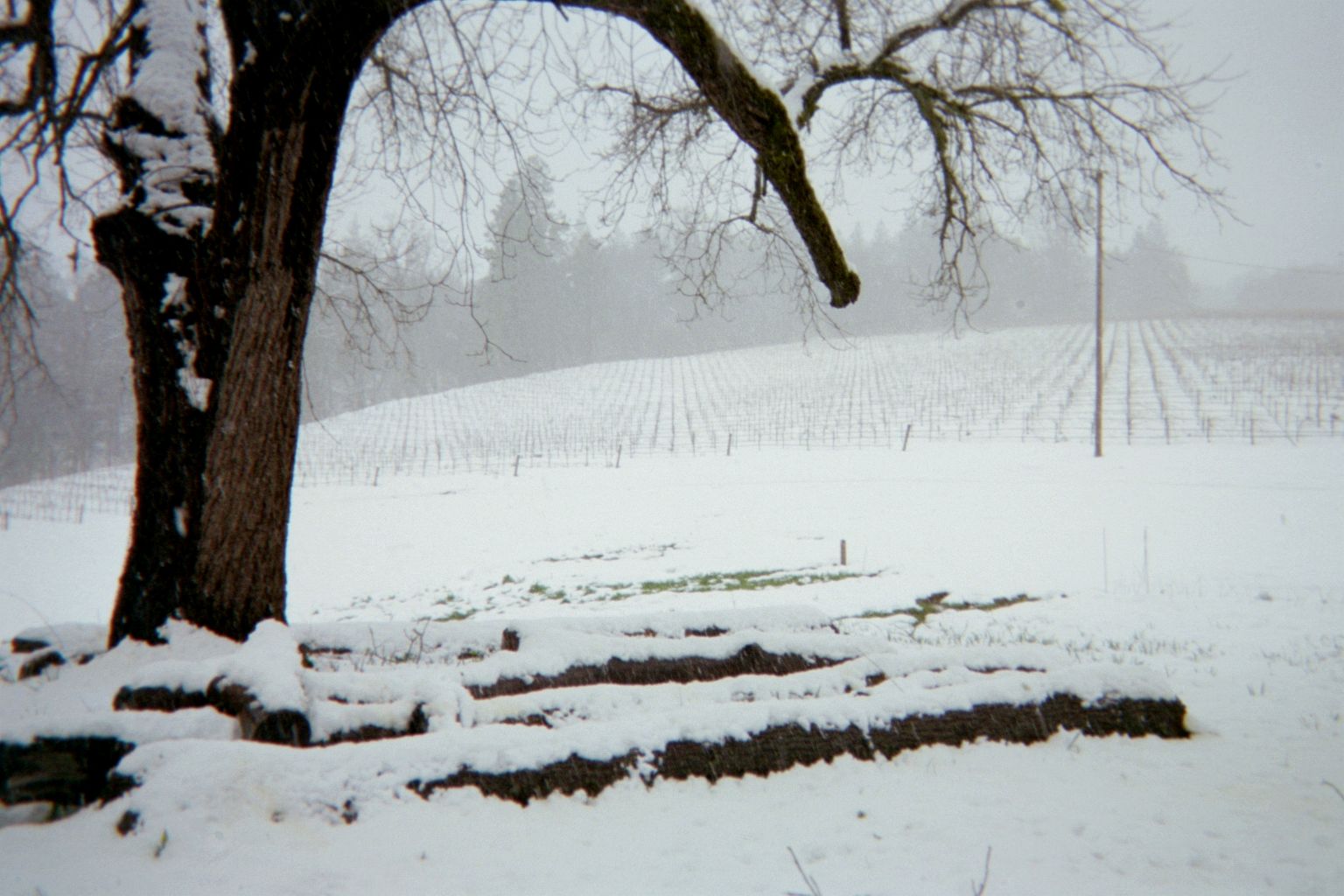
The vines rest. Winter storms sometimes bury the trellis rows in snow, and our crew prunes each cane back by hand to set up the crop for the coming year.
Pruning every vine, every winter
A family vineyard in California’s gold country, growing a small crop of mountain fruit for a short list of winemakers, 2,200 to 2,400 feet up along Cedar Creek in the Sierra foothills.
We established Hawk Creek in 1999 along Cedar Creek, outside the abandoned mining camp of Coyoteville, at the southern end of the Fair Play American Viticultural Area.
The vines root in Josephine soil, which drains well and still holds water. Warm foothill sun ripens the fruit, then falling afternoon temperatures and mountain breezes cool it again. That rhythm gives us a longer growing season than most foothill sites, with full flavor and deep color.
We farm with organic and biodynamic practices, on drip irrigation, with frost protection in place for the cold nights a foothill vineyard always sees.
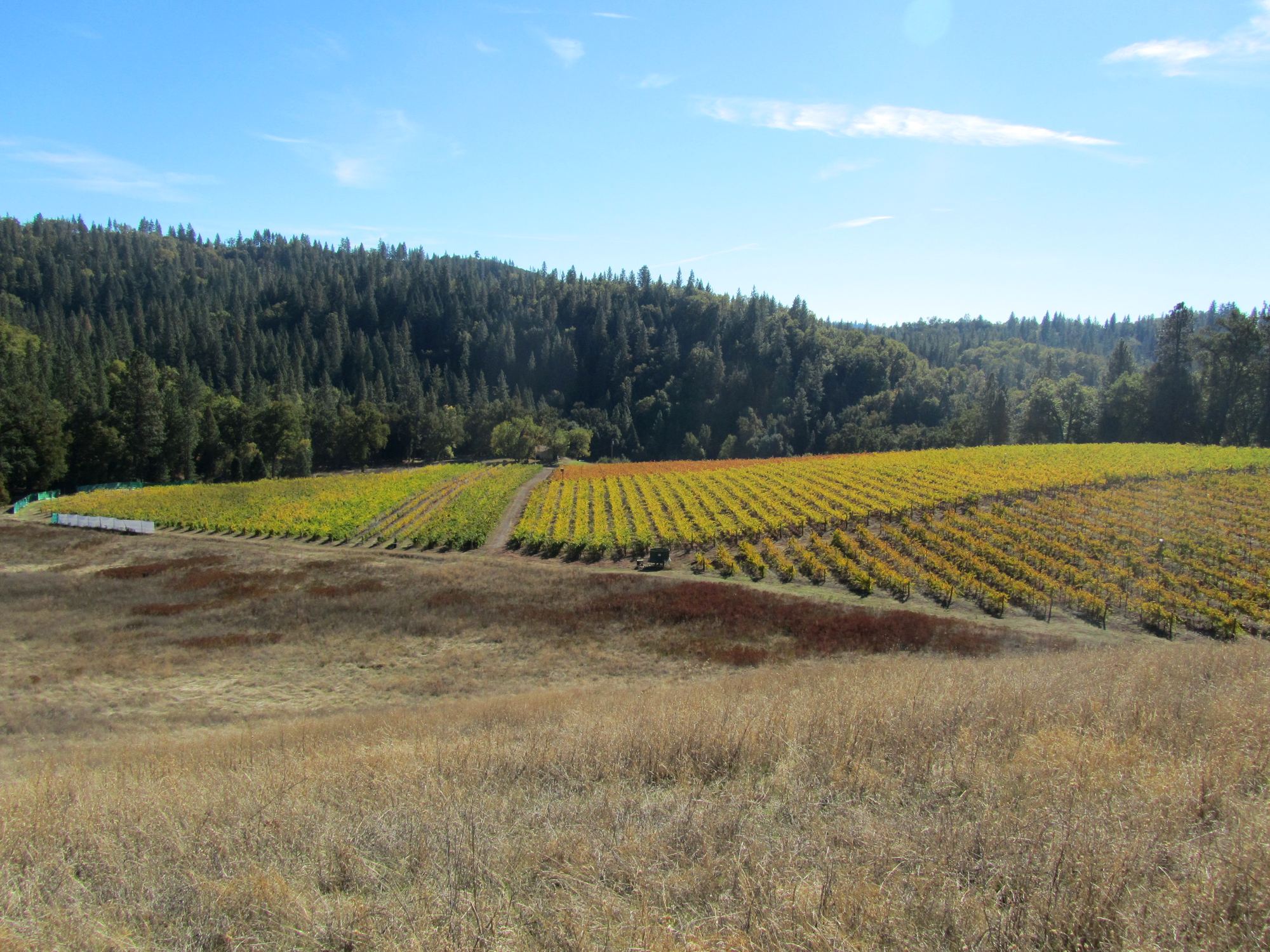
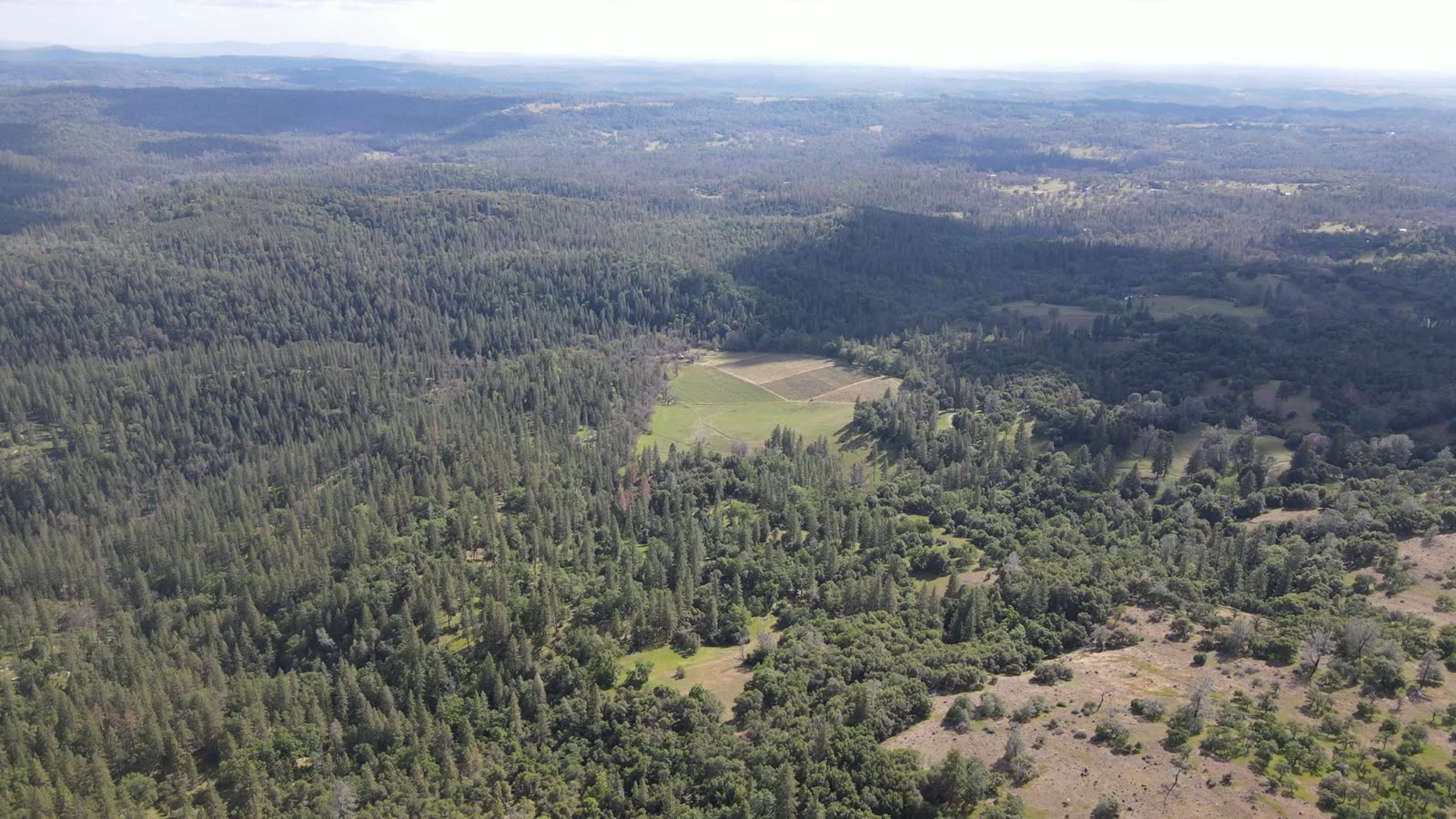
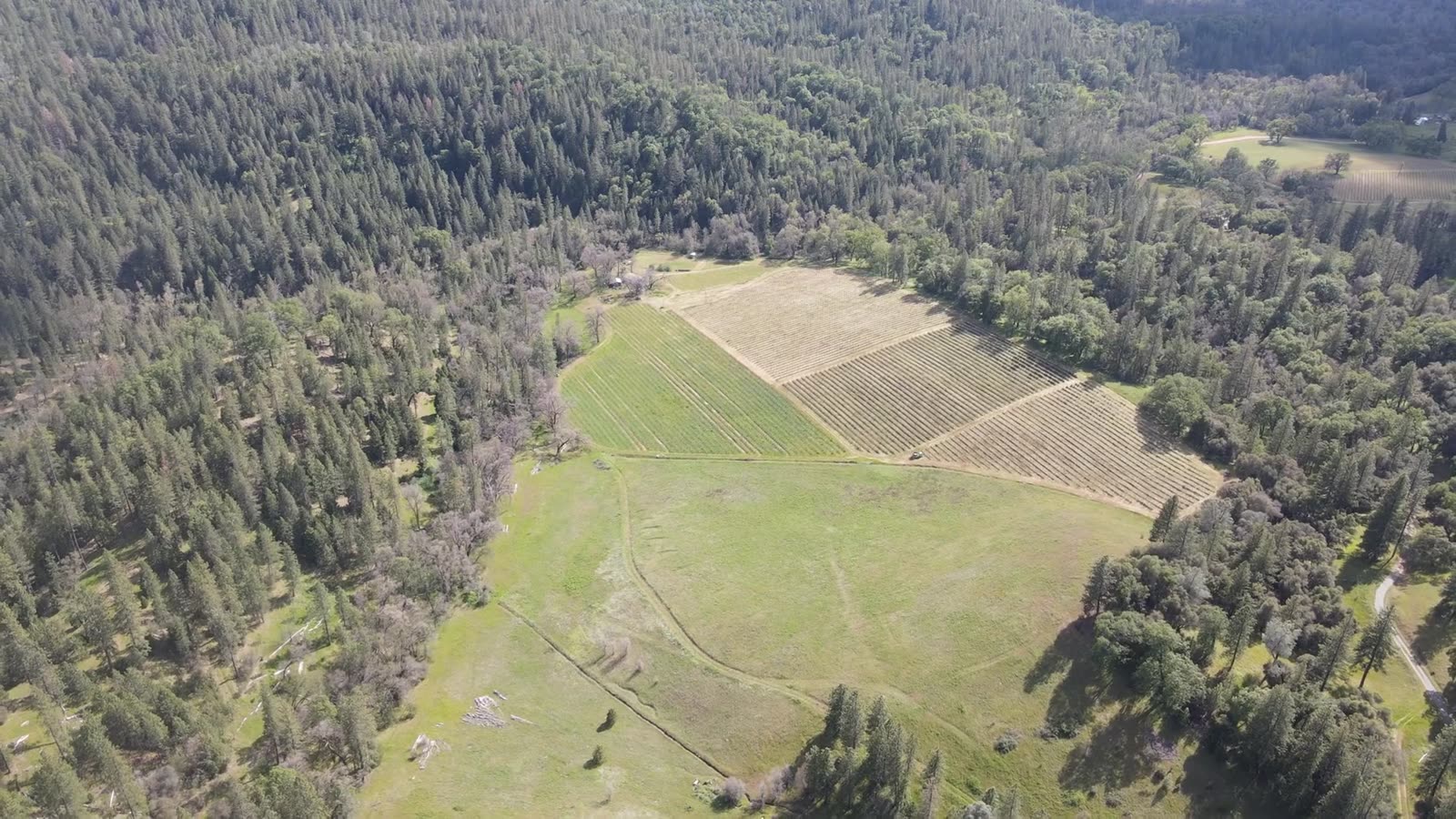
From the air, the vineyard is a clearing in the pines. Climb higher and the whole southern El Dorado County ridge opens up: oak and conifer forest, the Cosumnes River canyons, and the Sierra crest on the horizon.
Fair Play began as an 1850s mining camp and turned to farming within a generation. Today it is one of the highest wine regions in California, a cluster of small family vineyards between 2,000 and 3,400 feet where cool downslope air keeps the fruit bright through a long season.
Gold Rush miners settle Fair Play and Coyoteville. Coyoteville may have given its name to “coyoting,” the practice of sinking a shaft and working the gravel for gold.
Coyoteville has its own school district, and Mount Aukum appears for the first time in the county supervisors’ minutes.
John J. Leventon homesteads land on Cedar Creek that is now part of our ranch.
Surface mining fades and the area turns to farming and ranching.
Horace Bigelow, a Civil War veteran, plants Fair Play’s first commercial vineyard and opens its first winery.
Two gold claims on today’s ranch, the Uno and Croesus and the Nonpareil, receive federal patents. Miners drive tunnels into an ancient river channel buried under Coyote Ridge.
At the neighboring Bella Vista mine, two men still wash a few cubic yards of gravel a day for gold.
Modern winegrowing returns to the Fair Play hills.
We plant the first Hawk Creek vines along Cedar Creek.
Fair Play becomes the 139th American Viticultural Area in the country and the third in El Dorado County.
Everything here comes from our own rows, by camera and by drone. Scroll through one growing season, from winter pruning to the last clusters in October.
The vines rest. Winter storms sometimes bury the trellis rows in snow, and our crew prunes each cane back by hand to set up the crop for the coming year.
Our site breaks bud late. In most years that timing lets the first tender shoots slip past the early spring frosts that catch lower vineyards. From the air in late April the rows still read as bare wood against the spring grass.
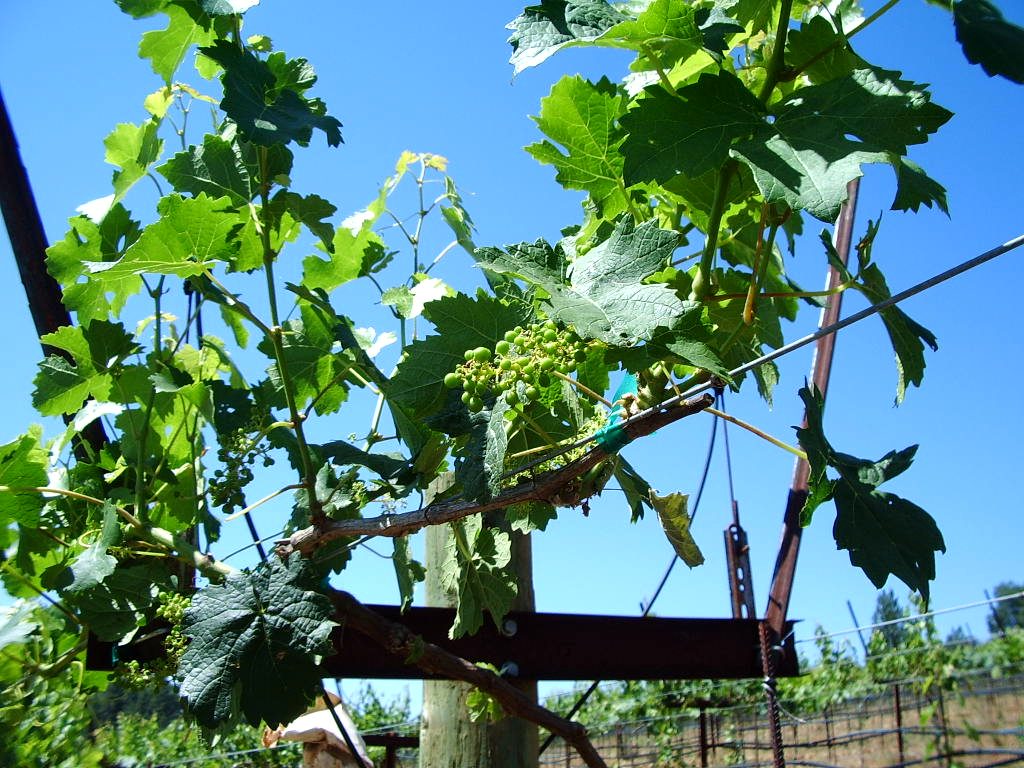
Tiny flower clusters open along every shoot. Grapevines pollinate themselves, so a warm, calm stretch of weather now decides how much fruit the year will carry.
Hard green berries swell under a full summer canopy. Drip irrigation feeds each vine through the dry foothill months, powered in part by our own solar array. By July the rows stand shoulder high and the grass between them has gone gold.
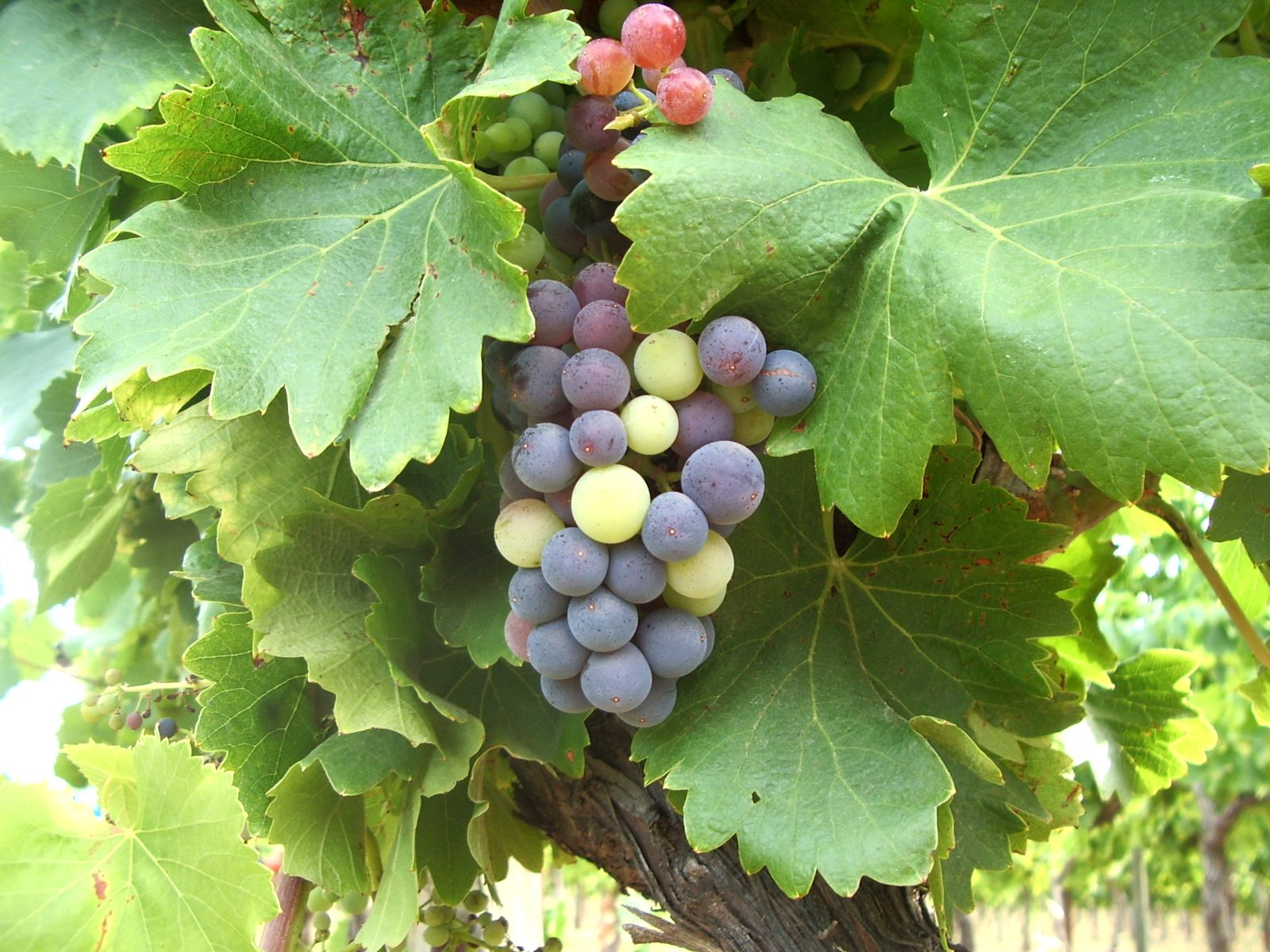
The berries soften and turn, one at a time, from green through rose to deep purple. Sugar climbs and acid falls as each cluster wears a patchwork of color for a few weeks.
We pick when the fruit is ready, not when the calendar says. A little more hang time can reward us with better structure and character, though an early fall frost can close the season overnight. Then the canopy turns gold and red across the hillside.
Ride in with the drone. It stops over the vineyard, lights up all fifteen blocks grape by grape, then flies on.
The drone pauses over the vineyard and lights up each block.
Block outlines come from the 2017 block map, fitted to the rows and roads in the footage.
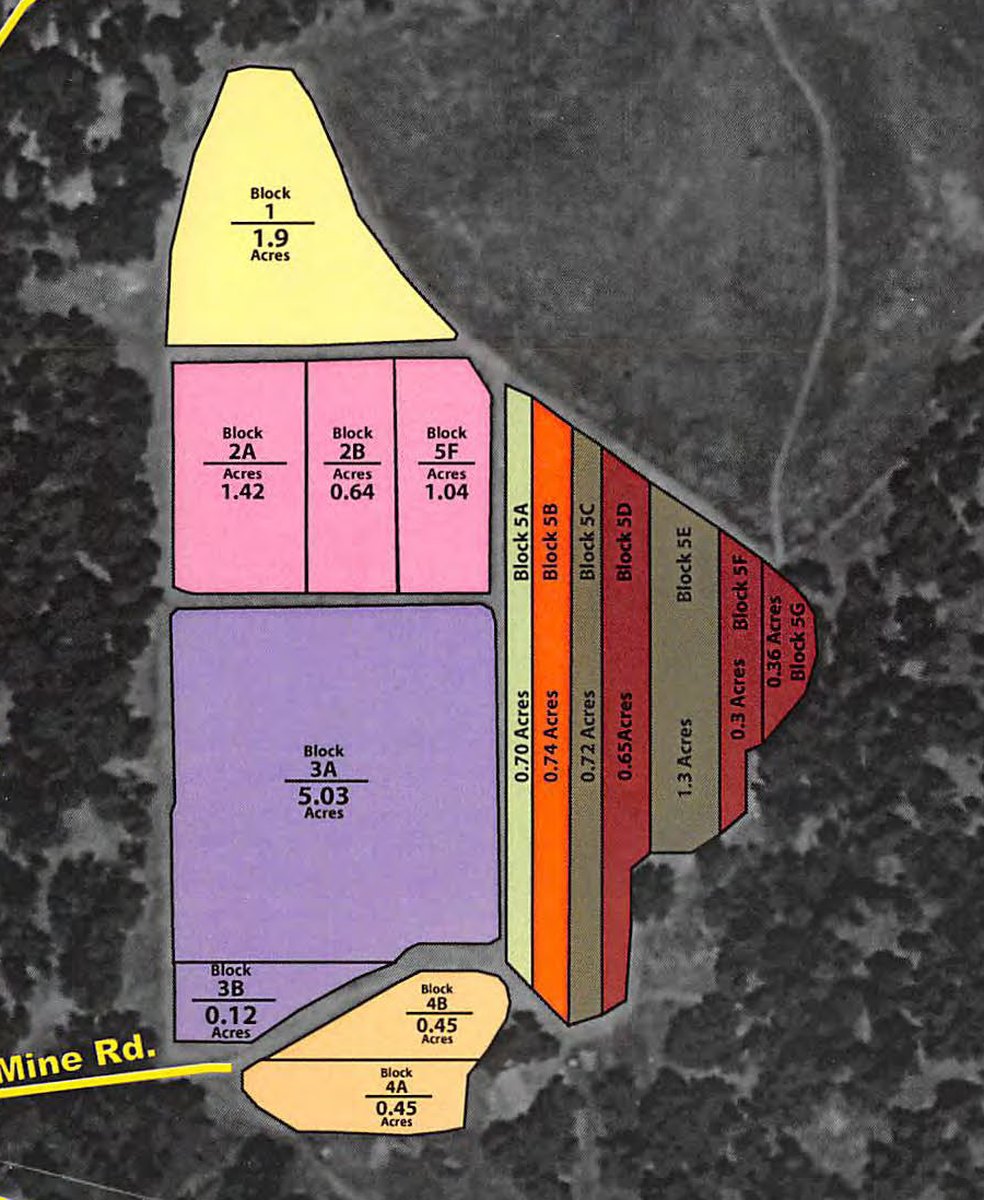
Hover or tap a block on the map to see what grows there, or pick a grape to light up every block it fills.
The 2017 block map totals 15.8 acres across these fifteen blocks. In all, we farm 17 acres of vines on an 87-acre ranch, in rows ten feet apart.
We made our own wine from our first harvest in 2003 through the 2010 vintage. Then we made a choice: give the vineyard our full attention, and put our fruit in the hands of winemakers who do nothing else.
Today Hawk Creek is a grower. We farm all fifteen blocks ourselves and sell the crop, block by block, to a short list of winemakers. Each one knows the rows, the clone and the morning their fruit came off the hill.
We release fruit by the block to a limited number of winemakers each season. Tell us what you are looking for, and we will add you to the allocation list and write when fruit opens up.
Request an allocation
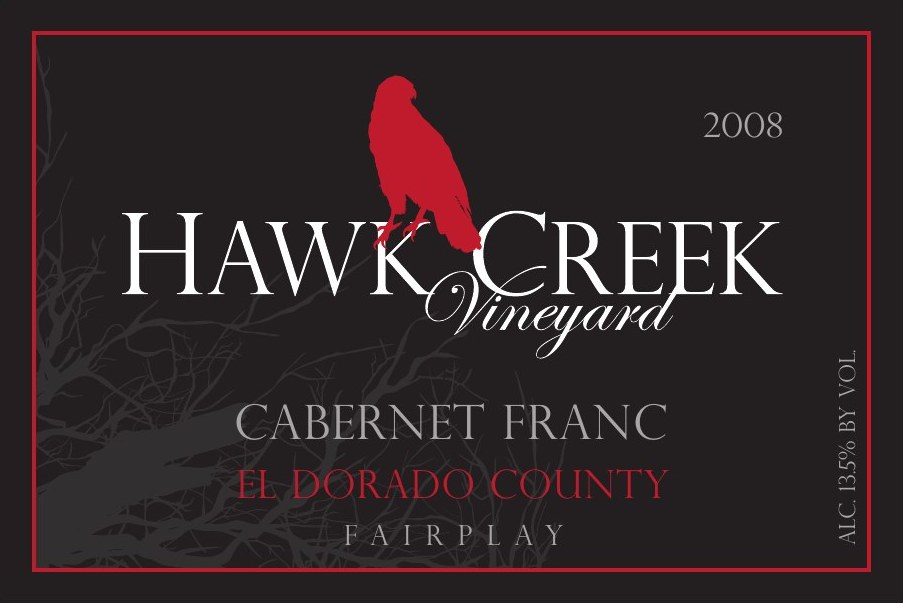
We bottled our final vintage in 2010. A few bottles of the 2009 and 2010 remain in the library, and we still pour them for guests on private visits.
Our 2009 Cabernet Franc has compelling floral aromatics. It drinks fresh and crisp with a dry finish. Decant it to let the vineyard’s character open up.
It opens over the vineyard in July, where the drone stops and lights up every planting by name, then follows the season from April bud break to October color. No narration. Just the rows, the forest and the light.
Four chapters, one family. The first decade built the farm. Every season since has refined it.
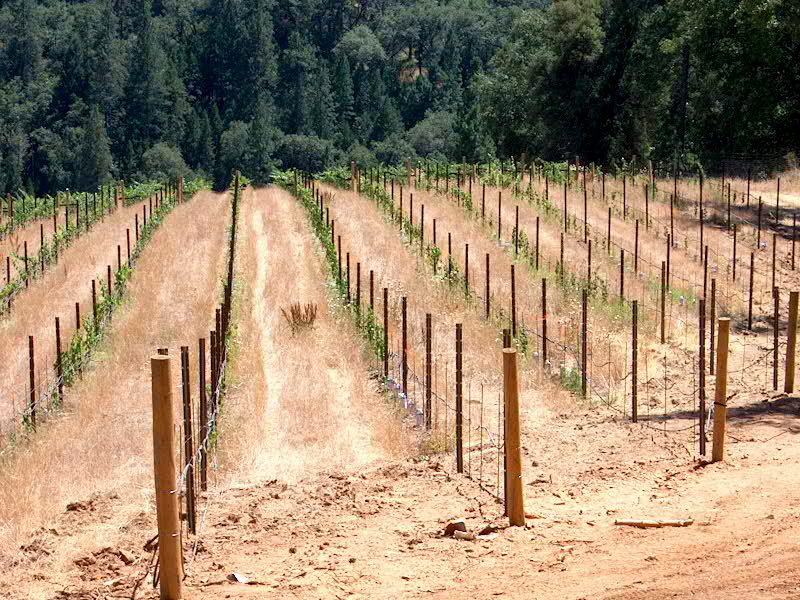
We plant the first vines along Cedar Creek, outside old Coyoteville.
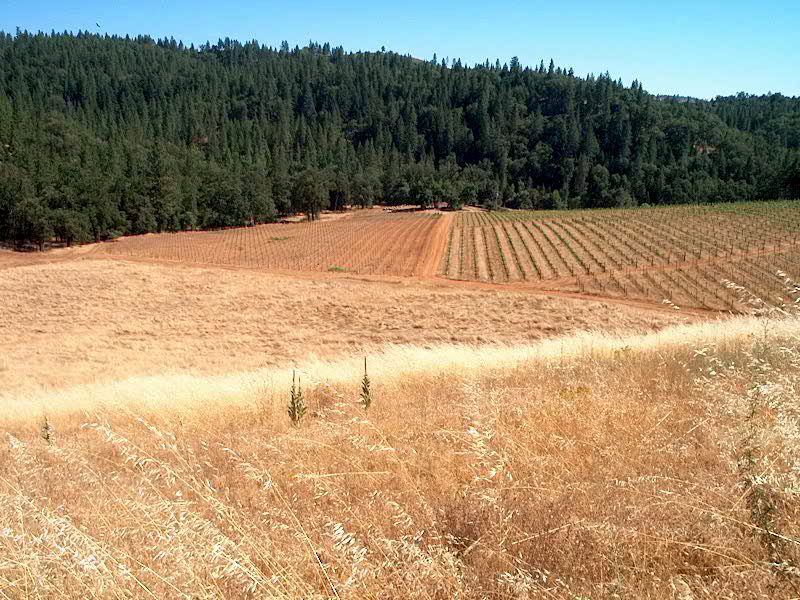
We complete a well at 180 feet that pumps more than 60 gallons a minute, enough for future expansion.
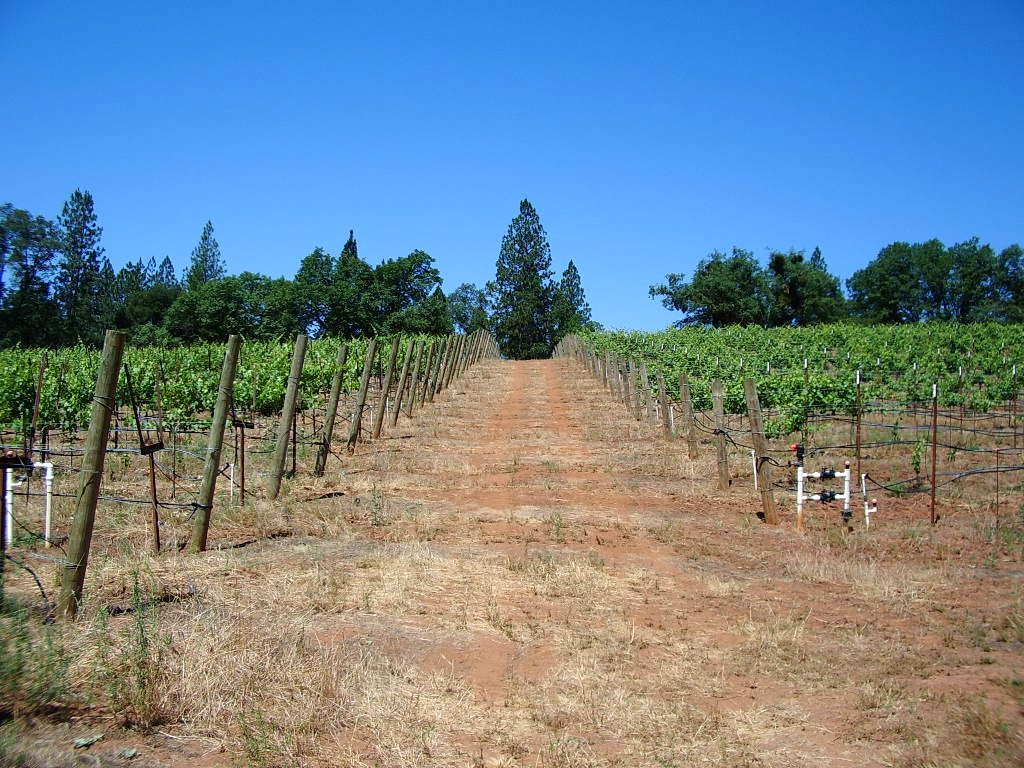
First harvest: half a ton of Viognier, three quarters of a ton of Cabernet Franc and two tons of Zinfandel, all at 23.5 to 26 Brix.
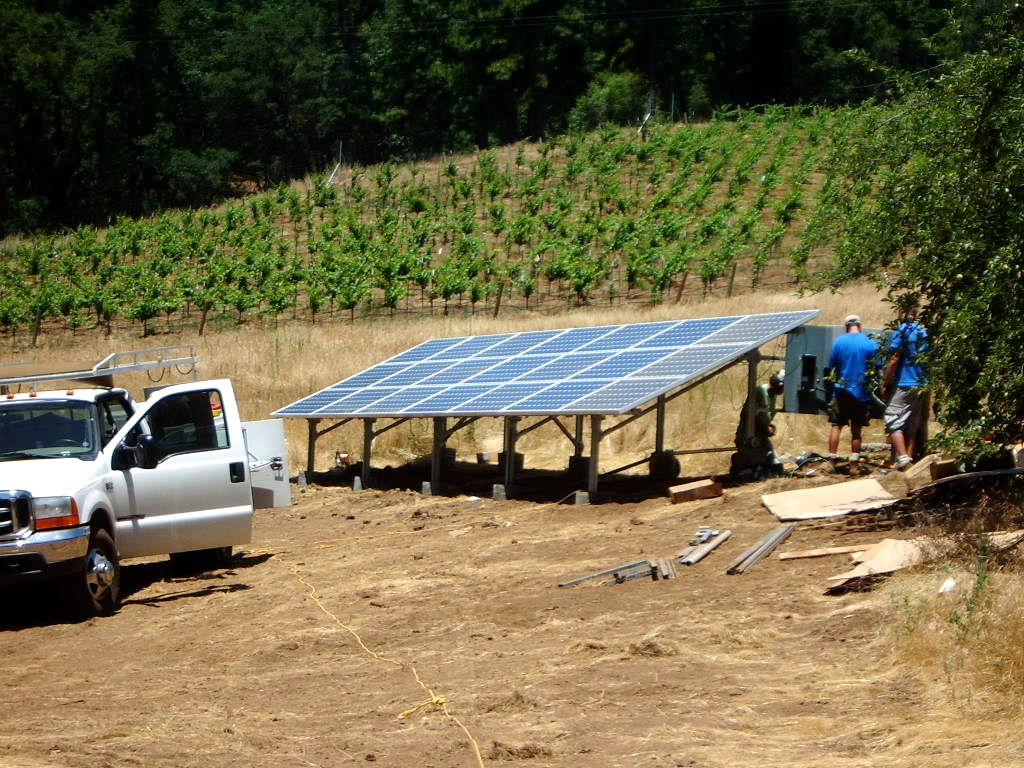
A 3.5 kilowatt solar array goes in to power irrigation.
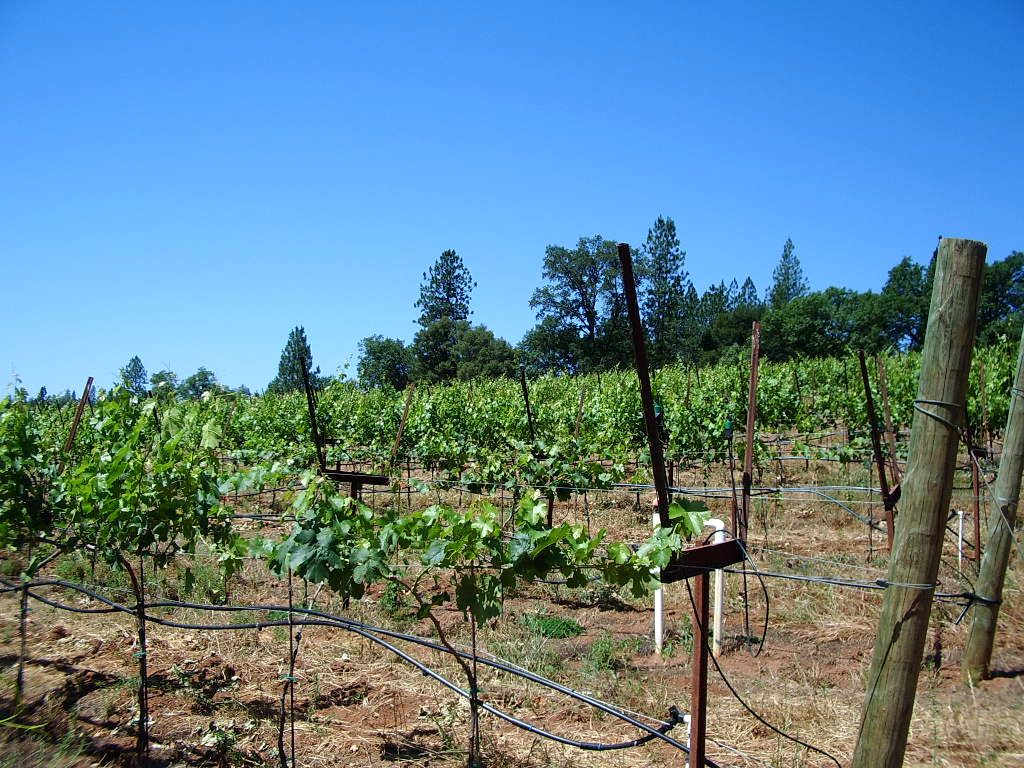
We bottle our first wine, the 2003 Zinfandel, and add a fertigation system to feed the vines.
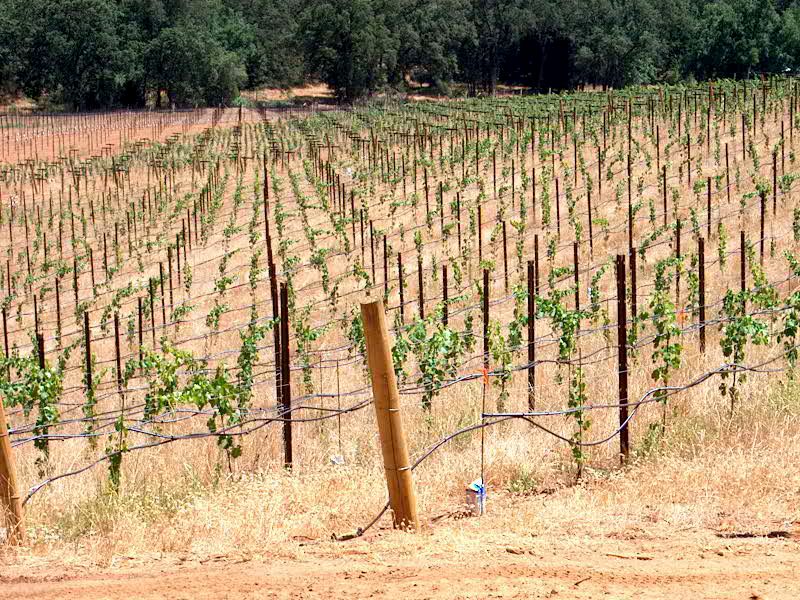
We plant Primitivo clones 5 and 6 to make a distinct varietal or round out a blend.
A vintage of Cabernet Franc we still pour today, aged two years in French oak.
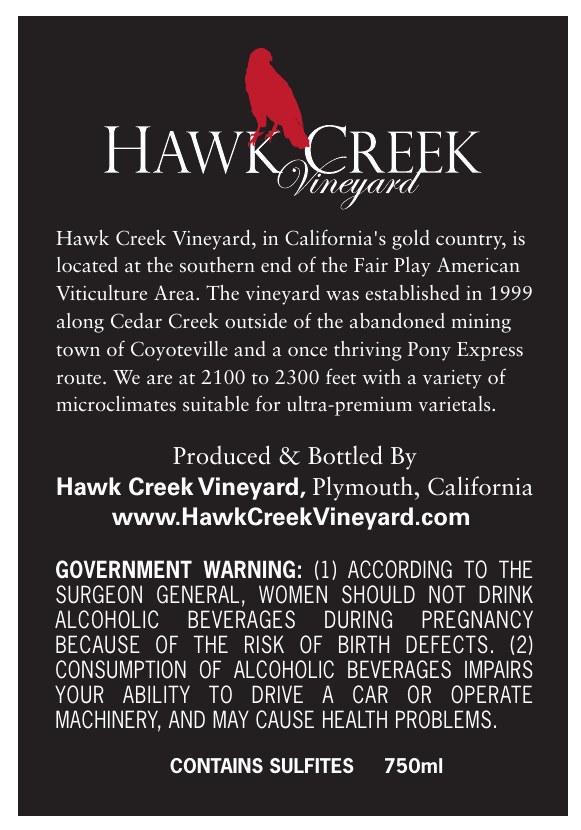
We bottle our final estate vintage. From here on, our fruit goes to a short list of winemakers.
Our 2009 Cabernet Franc takes a bronze award in Amador County.
We still farm every block ourselves, through 27 years of pruning, frost nights and harvests, and sell the fruit to a short list of winemakers. Each season we refine the farming and keep visits small.
The same four seasons, on the same 17 acres.
Hawk Creek is a working family farm, not a tasting room. We host a small number of visits each year, on days the vineyard can spare us, and one of us walks you through the blocks and pours from our library of estate wines.
Winemakers use the same list to request fruit. We keep every visit and every allocation small, so the list runs long. The current wait is 12 to 24 months, and we invite guests in the order they join.
3625 Cedar Creek Rd
Mount Aukum, CA 95656
510.967.3577
info@hawkcreekvineyard.com